
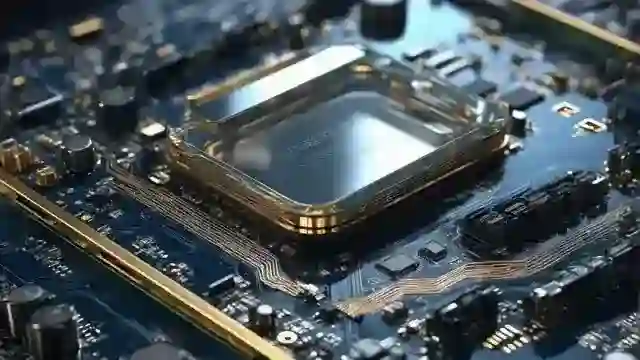
In the rapidly evolving landscape of artificial intelligence, hardware advancements are setting the stage for unprecedented computational power. Recent developments in GPU and chip technology are not just incremental improvements; they represent a fundamental shift in how machines process information. This progress is crucial for handling the massive data loads required by modern AI applications, from autonomous systems to real-time analytics.
Traditionally, computing relied on general-purpose processors that struggled with the parallel tasks common in AI. New architectures, however, are designed specifically for these workloads, enabling faster training and inference in neural networks. For instance, enhanced memory bandwidth and specialized cores allow these chips to manage complex algorithms more efficiently, reducing energy consumption and latency.
Extend beyond technical specs. In sectors like healthcare and finance, these advancements facilitate quicker data analysis, leading to more accurate diagnostics and fraud detection. By streamlining operations, businesses can deploy AI solutions that were previously impractical due to hardware limitations. This shift is not just about speed; it's about making intelligent systems more accessible and reliable.
Moreover, the integration of these chips into edge devices is empowering real-time decision-making in IoT networks. Imagine smart cities where traffic flows are optimized instantly or factories where predictive maintenance prevents downtime. These scenarios highlight the practical benefits of cutting-edge hardware, bridging the gap between theoretical potential and real-world impact.
As the technology matures, questions of scalability and sustainability arise. Innovations in chip design are addressing these concerns through improved thermal management and recyclable materials, ensuring that progress does not come at an environmental cost. This balanced approach underscores the industry's commitment to responsible innovation.
Looking ahead, the synergy between hardware and software will continue to drive AI forward. With each breakthrough, the boundaries of what machines can achieve expand, promising a future where intelligent computing is seamlessly integrated into daily life. The journey is just beginning, and the stakes have never been higher.
Source: Provided Content. Retrieved from input source.
Original Source
Read the complete research paper
About the Author

Guilherme A.
Former dentist (MD) from Brazil, 41 years old, husband, and AI enthusiast. In 2020, he transitioned from a decade-long career in dentistry to pursue his passion for technology, entrepreneurship, and helping others grow.
Connect on LinkedIn