
Games
Games as the testing ground for machine intelligence: reinforcement learning papers, agent benchmarks, procedural content generation, and the research using games to study learning, planning, and multi-agent coordination.

Evolution Strategies Fall Short as AI Training Boost
A new study finds that simpler AI methods can't reliably speed up complex learning tasks, challenging hopes for faster and more stable training in robotics and gaming.

AI Generates TV-Quality Soccer Commentary
A new AI system can produce live soccer commentary that accurately names players and adds statistical insights, mimicking professional broadcasters for a more engaging viewing experience.

AI Guides Viewers in VR Without Breaking Immersion
A new system uses natural language and visual effects to direct attention in 360-degree videos, overcoming limitations of previous methods that left users lost in virtual environments.

Why Gamers Love to Suffer in Souls-like Games
A new framework reveals how difficult video games transform frustration into deep satisfaction through fair challenge, delayed gratification, and shared storytelling—explaining why millions voluntarily endure repeated failure.
How a Video Game Reveals AI's Explanation Problem
A mobile game's AI assistant shows how users can act effectively without truly understanding complex systems—offering a new model for explainable AI design.

AI Agents Fall Short at Interactive Reasoning
A new benchmark reveals that frontier AI systems score below 1% on tasks humans solve easily, highlighting a critical gap in agentic intelligence.

AI Agents Fall Short at Business-Style Decision Making
A new amusement park simulator reveals that even the most advanced AI systems achieve only a fraction of human performance when integrating long-term planning, learning, and spatial reasoning—highlighting critical gaps in real-world AI capabilities.

AI Models Struggle with Childlike Reasoning Tasks
A new benchmark reveals that even the most advanced AI systems falter at tasks requiring multiple cognitive skills, highlighting a significant gap toward human-like intelligence.

New AI Engine Powers Realistic Virtual Worlds
A breakthrough inference system combines diffusion and autoregressive methods to generate long, interactive videos efficiently—enabling more immersive simulations for gaming, robotics, and AI agents.

AI Creates Animated Avatars in Seconds, Not Hours
A new method generates realistic 3D characters with natural movement from simple text descriptions, cutting production time from hours to under a minute while eliminating visual glitches that plague current approaches.
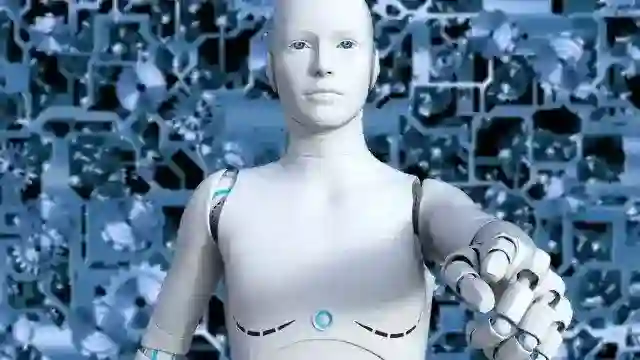
AI Animates 3D Objects by Watching Videos
A new method transfers realistic motion from video to static 3D models without rigging, enabling cross-category animation like a horse's gallop on a car.

AI Masters Classic Game with Near-Perfect Strategy
A new AI method uses weighted information theory to solve Mastermind with an average of just 4.35 guesses, coming within 0.2% of the theoretical limit while revealing strategic patterns in game play.
AI Creates 3D Avatars Without Needing Human Poses
A new method builds animatable digital humans from just a few photos, eliminating the need for accurate pose data and making it more practical for real-world applications like VR and AR.

AI Fills in Full-Body Motion for VR with Just Head and Hands
A new lightweight AI method generates smooth, realistic full-body movements in real-time using only data from head-mounted displays and hand controllers, overcoming a major barrier to immersive virtual reality.
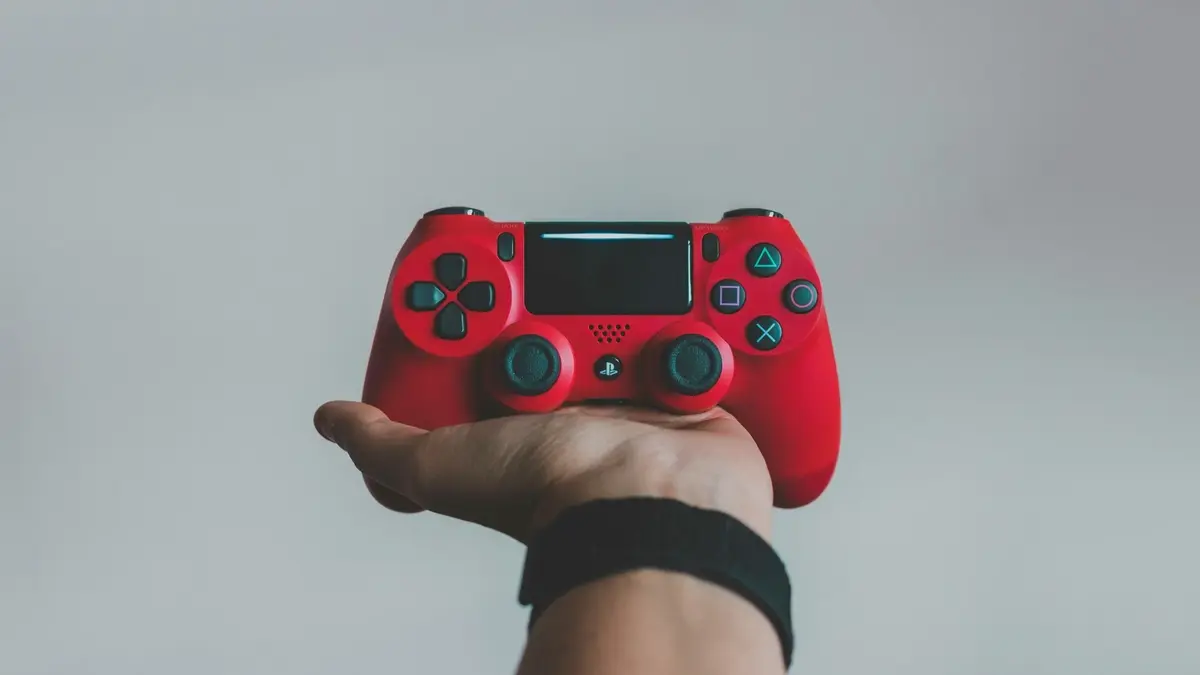
AI Lets Players Create Spells With Words
A new game uses a language model to turn natural language prompts into custom spells, blending player creativity with AI-driven gameplay for a unique interactive experience.

Quantum Computing Creates New Blur Effects for Games
Researchers use quantum principles to generate procedural content, offering unique visual artifacts that could enhance sci-fi aesthetics in gaming and animation.

AI Predicts What Happens Next in Videos
A new dataset and model help AI systems forecast future events in videos, bridging a gap with human intuition but revealing challenges in commonsense reasoning.
AI Chooses Best Policies in Changing Environments
New method helps AI systems adapt to unexpected changes by selecting the most effective pre-trained policies without costly retraining
AI Reveals How Chess Masters Outsmart Rationality
A new study uses chess engines to show that expert players often deviate from optimal moves, but these deviations can lead to better performance, challenging traditional views of rational decision-making.
AI Learns Faster by Recognizing Game Patterns
A new reinforcement learning method reduces training time by 50% by treating each game level as a unique environment, leading to more efficient AI agents.
AI Learns Faster by Using Rough Guides
A new reinforcement learning method combines interpretable rules and opponent modeling to speed up AI training in competitive games, achieving superior performance with fewer resources.

AI Teammates That Read Minds Boost Cooperation
New research shows artificial intelligence with human-like social reasoning dramatically improves team performance in collaborative tasks, offering better human-AI partnerships.

AI Agents Fall Short at Scientific Discovery
New study reveals how AI struggles with complex exploration tasks, challenging assumptions about machine learning's problem-solving capabilities
AI Agents Struggle with Complex Restaurant Tasks
A new benchmark reveals that standard AI methods fail in high-stakes environments, while a knowledge-based approach excels—pointing to smarter, real-world AI.